A Consideration
Cinéma Vérité
There is a point at which trying to improve a photograph begins to change the thing being photographed. When a situation is repeatedly arranged, interrupted or recreated for the sake of the image, the photograph gradually becomes a record of those instructions as much as a record of the occasion itself. A gesture that was natural can be repeated until it becomes deliberate; a moment that happened once can be reconstructed until it only resembles what happened.

“the camera should follow what happens, not ask it to happen”
This is not a question of whether the resulting photograph can look convincing. It often can. The question is what has been lost in making it. When the people in front of the camera are asked to reproduce something for the image, the photograph moves further away from the circumstances that gave the moment its meaning in the first place.
For me, cinéma vérité is relevant here as a stance toward what unfolds, grounded in observation rather than intervention.
When people no longer have to think about how they are being photographed, something changes in the way they occupy the moment. Attention can return to the people around them, to the conversation, to the atmosphere of the occasion and to whatever is unfolding without instruction. The camera remains present, but it no longer needs to direct the situation.
This is the point at which the stance of cinéma vérité becomes particularly meaningful to me. The photographer remains attentive without continually intervening, allowing the situation to develop at its own pace. Without repeated direction, the need to perform gradually becomes less relevant, allowing the photographer to recede further into the background.
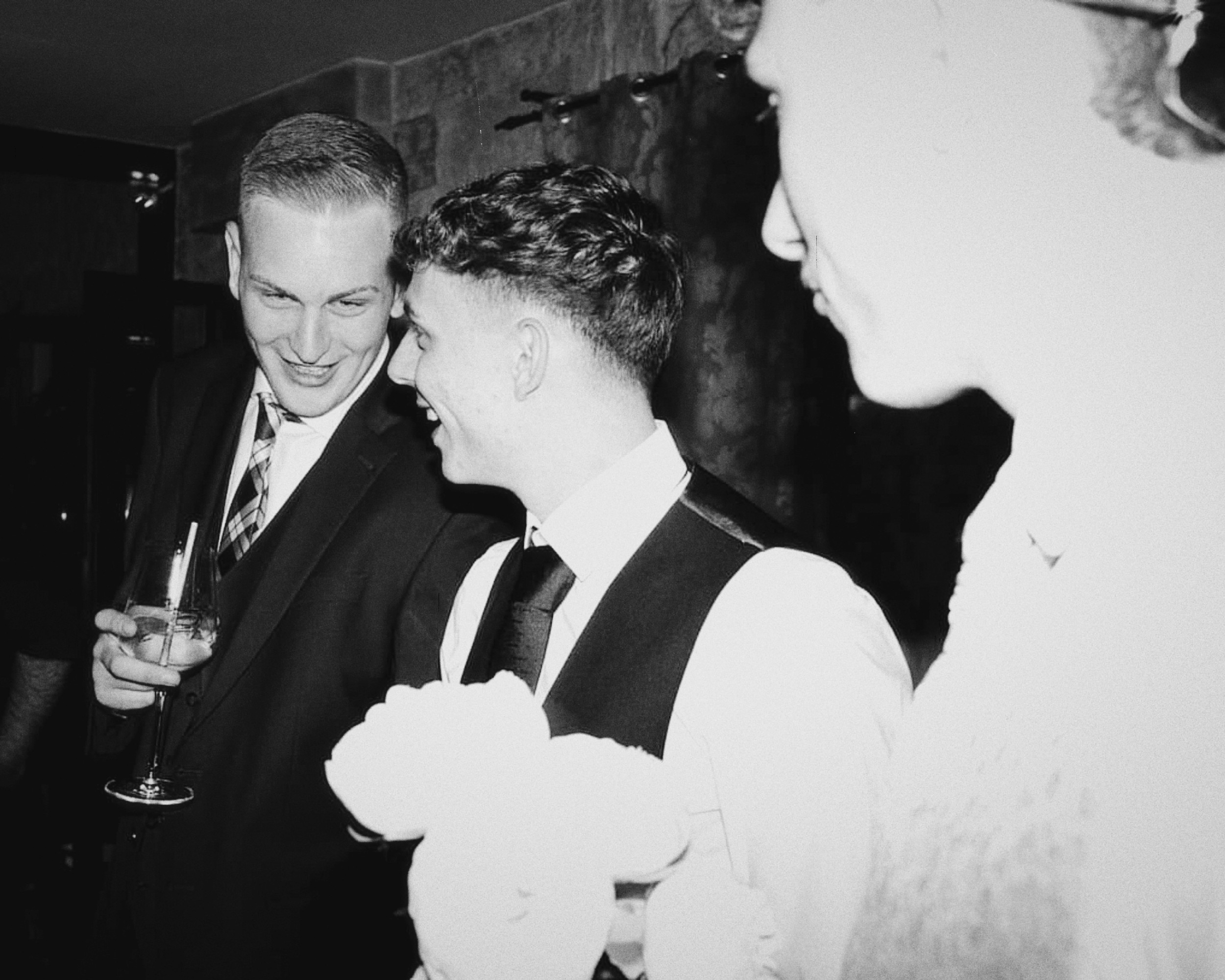

What emerges cannot be planned in advance. It belongs to the particular people, relationships and circumstances of that day, and can only be photographed by remaining present long enough to recognise it.
A wedding should not require you to spend the day thinking about how you will appear in photographs. When the need to present a particular version of yourself to the camera falls away, attention can remain where it belongs—on the people around you and on the occasion itself. You can be present without having to monitor how you look, whether a moment is photographically useful, or whether you are doing what is expected of you.
This is part of what this stance makes possible. It creates no separate performance for the camera and asks nothing from people beyond being part of what is already taking place. The photographs become a by-product of the occasion rather than another task within it.
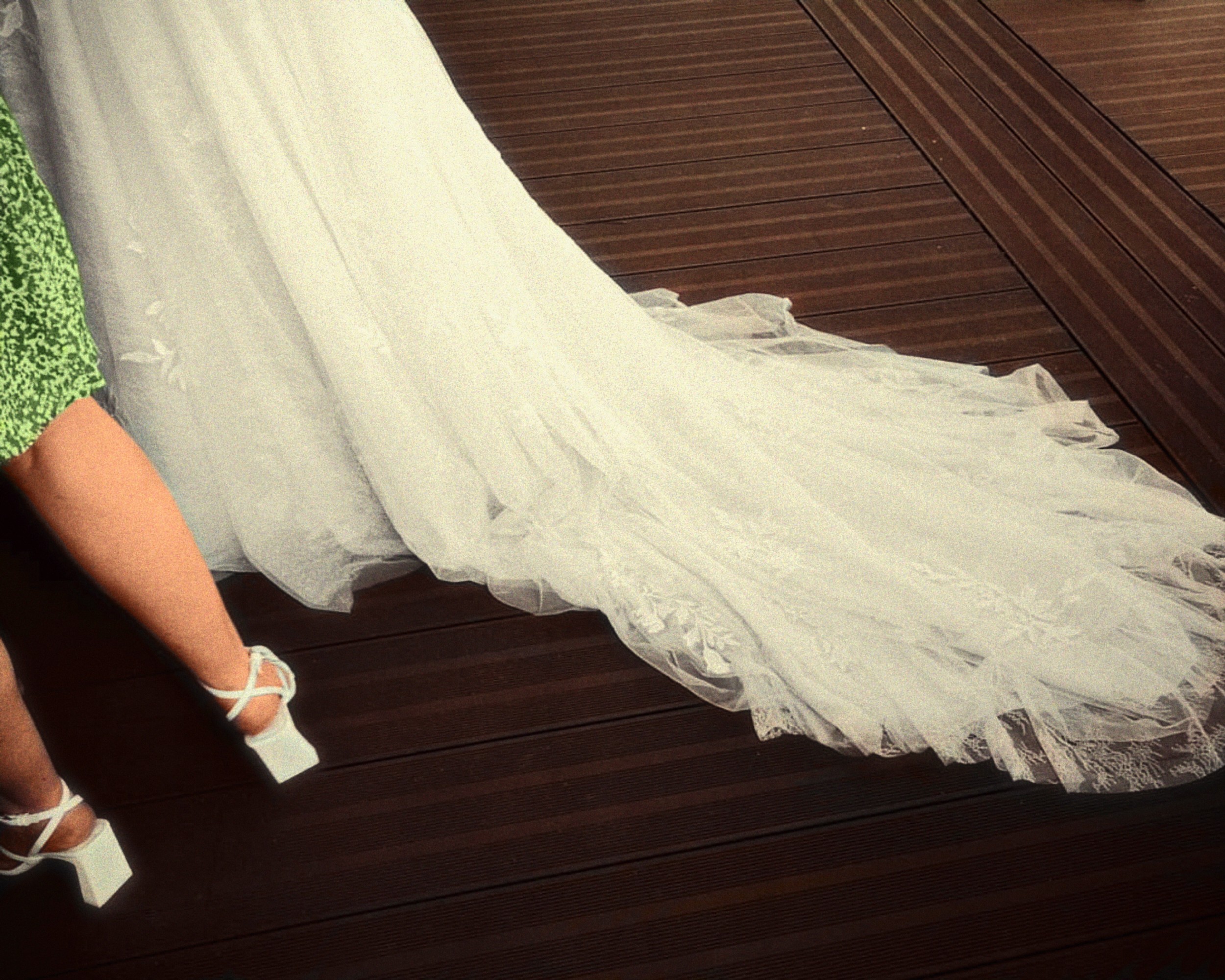
That matters because a wedding is something to be lived first and photographed second. Photography should have its place within that reality, without becoming the reason people have to step outside of it.
A photograph has a much longer life than the moment in which it is made. Years later, the details that once seemed important may have lost their place, while the people and circumstances that were once simply part of the day can become the very things that make an image matter. What remains valuable is not necessarily what looked most considered at the time, but what still allows something of that particular reality to be recognised.
This is why I am wary of building photographs around conventions that belong too closely to a particular moment. Visual trends change, and so do the expectations attached to them. An image made to satisfy those expectations can remain tied to the period that produced it. A photograph grounded in the circumstances from which it came has another possibility: its meaning can continue to unfold as the circumstances around it become more distant.
This is the deeper reason for keeping the photographs close to the lived occasion. The aim is not to make an image that belongs perfectly to the present, but one that can continue to belong to the people who were there long after the present has changed.
Next Up
Wedding Notes
A series of reflections on what wedding photographs are ultimately asked to preserve. The notes consider what remains outside your own field of view, why a wedding should not become a performance for the camera, and how the value of photographs can change as the day becomes more distant. They are less about how wedding photography should look than about what it may be worth remembering.